Vaidik Hand Whisk
A hand whisk is a simple and useful kitchen tool. It helps you mix, beat, and blend ingredients easily. Our wooden whisk is made from natural wood. It is safe, eco-friendly, and perfect for daily cooking. Buy the best whisk online today!
Showing all 2 results
-
Sale!
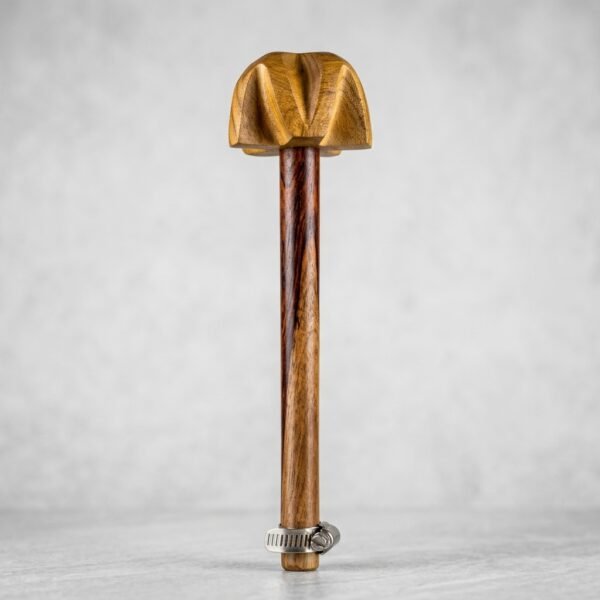
Hand Whisk 8l
Original price was: ₹700.00.₹570.00Current price is: ₹570.00. Select options This product has multiple variants. The options may be chosen on the product page -
Sale!
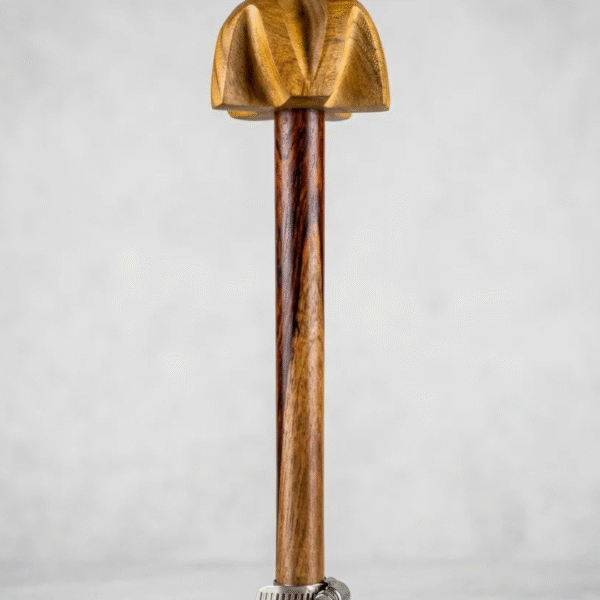
Hand Whisk-4L
Original price was: ₹550.00.₹450.00Current price is: ₹450.00. Select options This product has multiple variants. The options may be chosen on the product page
Read More
Wooden Whisk and Wooden Churner: Complete Kitchen Guide for Better Cooking and Traditional Butter Making
A wooden whisk is an essential kitchen tool which is used for mixing, beating, and blending ingredients quickly. A wooden churner is a traditional Indian kitchen tool mainly used for making butter, buttermilk, and curd-based recipes naturally. Both tools improve cooking quality, save effort, and support healthy homemade food preparation.
Table of Contents
What is hand Whisk?
Why hand Whisk is Important in Kitchen?
Why hand Whisk is Important in Kitchen?
Types of Whisk Available in India
How to Use it Properly?
Wooden Whisk vs Hand Mixer — Which is Better?
Wooden Churner vs Electric Churner — Which is Better?
Why Wooden Churner is Popular in Indian Households?
Best Wood Types Used for Making a Wooden Churner
How to Clean and Maintain a Wooden Churner?
How to Choose the Best Wooden Churner for Home Use?
Statistics and Facts About Wooden Churners for Butter Making
Expert Tip from Vaidik Utpaad
15 FAQs About Whisk
Conclusion
What is hand Whisk?
A hand whisk is a kitchen tool designed for mixing ingredients smoothly and quickly. It is commonly used for beating eggs, mixing batter, whipping cream, blending sauces, and preparing bakery items.It usually contains looped wires attached to a handle. In an Indian kitchen, a hand whisk is widely used to prepare cake batter, coffee, lassi, pancake mix, curd blends, and cream-based dishes. A good wooden whisk help us to add air to the ingredients, making recipes lighter and fluffier. People often prefer a hand whisk because it is simple, affordable, and easy to use without electricity. Traditional kitchen also use a wooden churner for natural mixing and butter preparation.
Why is a Hand Whisk is Important in the Kitchen?
A hand whisk plays an important role in everyday cooking because it improves texture and consistency. Without a hand whisk, ingredients may remain unevenly mixed
Main Reasons Why a hand Whisk is Important
- Proper Mixing
- Time Saving for Cooking
- Adds Air to Ingredients
- Useful for Many Recipes
- coffee
- Cakes
- Pancakes
- Cream
- Dalgona coffee
- Sauces
- Eggs
- Lassi
- Easy to Handle
wooden whisk helps to mix both liquid and solid foods uniformly, which prevents lumps when making cakes, gravies, or sauces.
Hand whisks save time for preparation during cooking
A hand whisk traps air while mixing, which creates fluffy cream, soft cakes, and smooth omelets.
The hand whisk can be used for:
Most hand whisk designs are lightweight and beginner-friendly.
A wooden churner is also important because it supports traditional Indian food preparation methods naturally without high-speed machines..
Benefits of Using hand Whisk for Cooking
Using a hand whisk regularly provides many cooking benefits..
- Smooth Texture
- Better Baking Results
- Healthier Cooking
- Easy Cleaning
- Save Energy
- Multi-purpose Kitchen Tool
- Improves Presentation
A hand whisk creates smoother batter and gravy consistency compared to normal spoons.
Cakes and bakery items become softer because the hand whisk adds air while mixing.
A hand whisk avoids excessive machine processing and allows better control during mixing.
Most hand whisk products are simple to wash and maintain.
A manual hand whisk does not require electricity
One hand whisk can handle multiple cooking tasks daily.
Cream, sauces, and coffee look more professional when mixed using a wooden whisk
Traditional Indian households also combine it with a wooden churner for making fresh butter and buttermilk naturally.
Wooden Whisks that are available in India
Different designs are available for different kitchen needs.
- Balloon Whisk.
- Cream
- Egg Whites
- Cake Batter
- Flat Whisk
- Sauces
- Roux
- Gravy Mixing
- Silicone Whisk.
- Non-stick pans
- Fragile Cookware
- Hand Whisk
- Everyday mixing
- Tea and coffee
- Batter preparation
- Wooden Whisk.
- Traditional cooking
- Natural kitchen tools
- Natural kitchen tools
- Select a deep bowl to ensure movement.
- Grip the wooden whisk firmly but naturally.
- Wash the wooden whisk after the use to avoid food sticking.
- Start slow and increase the speed gradually
- Wash the wooden whisk after the use to avoid food stickingy
- You cook daily
- You want simple tools
- A manual control is what you want
- You bake frequently
- You require quicker whipping
- Preserves traditional taste
- No electricity required
- Eco-friendly
- Durable
- Better control over texture
- Faster operation
- Faster operation
- Faster operation
- Traditional households
- Authentic butter making
- Small family use
- Natural cooking lovers
- Lassi preparation
- Buttermilk mixing
- Butter making
- Neem Wood
- Antibacterial by nature
- Durable
- An Indian traditional wood
- Teak Wood
- Long-lasting
- Water resistant
- Long-lasting
- Sheesham Wood
- Strong and sturdy.
- Attractive finish
- Heavy-duty performance
- Mango Wood
- Lightweight
- Affordable
- Eco-friendly
- Clean Right Away
- Clean the wooden churner after every use.
- Use Mild Soap
- Avoid strong chemicals.
- Dry Completely
- Never store a wet wooden churner
- Avoid Dishwasher
- Dishwashers may crack wooden tools.
- Apply Natural Oil
- Food-safe oil helps maintain shine and prevents dryness.
- Check the Wood Quality
- Choose strong woods like neem or teak.
- Look for Smooth FinishinG
- A smooth wooden churner is easier to clean.
- Choose Comfortable Handle Design
- There should be adequate strength on the handle.
- Checking Size
- Small churners are good for families, while larger ones suit commercial use.
- Buy Handmade Products
- Handmade wooden churner products often have better durability and authenticity.
- Prefer Natural Polish
- Avoid chemically polished products.
- Traditional Indian households have used an wooden churner tools for hundreds of years.
- Many Ayurveda-inspired kitchens prefer wooden churner methods because they maintain natural food texture.
- Homemade butter prepared using a wooden churner often contains fewer preservatives as compared to commercial butter
- Manual churning supports slower processing, which many people believe improves flavor quality.
- Eco-friendly kitchen tools are growing in popularity due to increasing awareness about sustainable living.
- Traditional cookware and wooden kitchen tools are becoming more popular in Indian homes because people want chemical-free cooking experiences.
- Handmade kitchen tools including wooden churner products are increasingly preferred in rural and urban households alike.
This has a rounded shape and is best for whipping cream and eggs.
Best For:
The is ideal for sauces and gravies
Best For:
It helps protect non-stick cookware from scratches.
Best For:
A hand whisk is the most commonly used in Indian homes.
Best For:
A wooden whisk give a traditional touch and is eco-friendly.
Best For:
How to Use wooden Whisk Properly?
Using a wooden whisk correctly improves cooking quality.
Step 1: Selecting the Correct Bowl
Step 2: Gripping the Wooden Whisk Properly
Step 3: Use Circular Motion
Step 4: Gradually Speed Up
Step 5: Clean Immediately
Wash the wooden whisk after the use to avoid food sticking.
For thick curd and butter preparation, many people prefer a wooden churner because it creates the natural mixing without overheating ingredients
wooden Whisk vs Hand Mixer — Which is Better?
Both tools are useful, but the right choice depends on your needs.
| Feature | wooden Whisk | Hand Mixer |
|---|---|---|
| Electricity Needed | No | Yes |
| Easy to Carry | Yes | Moderate |
| Noise | Silent | Noisy |
| Price | Affordable | Expensive |
| Best For | Daily light mixing | Heavy whipping |
| Cleaning | Easy | More parts to clean |
| Traditional Feel | Yes | No |
Which One Should You Buy
Choose a hand whisk if:
Go for a hand mixer if:
Many Indian families still prefer a hand whisk and wooden churner because they support traditional and healthier cooking methods
Wooden Churner vs Electric Churner — Which is Better?
A wooden churner is a traditional butter-making tool, while electric churners use motorized spinning.
Wooden Churner Benefits
2.Electric Churner Benefits
3.Which is Better?
A wooden churner is better for:
Electric churners are better for commercial production
Why Wooden Churner is Popular in Indian Households?
The wooden churner has been part of Indian kitchens for centuries.
Traditional Value
Indian families use a wooden churner tools for
Better Taste
Many people believe wooden churner mixing improves taste naturally.
Eco-Friendly Kitchen Tool
Wooden churners are biodegradable and environmentally friendly.
No Heat Generation
Electric machines create the heat during processing, while a wooden churner maintains natural temperature.
Long Lifespan
High-quality wooden churner products can last many years with proper care. Traditional Indian cooking systems still trust the wooden churner for homemade dairy preparation.
Best Wood Types Used for Making Wooden Churner
The quality of a wooden churner depends on the wood used.
Choosing the right wooden churner material improves durability and hygiene.
How to Clean and Maintain Wooden Churner?
Proper maintenance increases the life of a wooden churner.
Cleaning Tips
A well-maintained wooden churner can last for years without damage.
How to Choose the Best Wooden Churner for Home Use?
Buying the right wooden churner is important for long-term use.
You can also explore traditional kitchen tools and healthy cooking products from: Vaidik Utpaad Cold Press Oil Machine Collection
Statistics and Facts About Wooden Churner for Butter Making
Interesting facts
Kitchen Trend Statistics
Expert Tip from Vaidik Utpaad
Expert Kitchen Advice
If you regularly prepare curd, butter, lassi, or buttermilk at home, choose a high-quality wooden churner instead of plastic alternatives. Natural wood provides better grip, improved durability, and traditional mixing quality. Pairing a good hand whisk with a wooden churner can improve both modern and traditional cooking results in your kitchen.Questions – Frequently Asked
1. What is a wooden whisk used for?
A wooden whisk is used for mixing, beating, and blending the ingredients smoothly. It helps improve texture in cakes, eggs, cream, sauces, and beverages.
2. Which is best for baking?
A balloon is considered best for baking because it adds more air to batter and cream..
3. Can a hand whisk replace a hand mixer?
Yes, a hand whisk can replace a hand mixer for light mixing tasks. However, heavy whipping may require an electric mixer.
4. Is a wooden churner better than the plastic churner?
Yes, a wooden churner is more durable, eco-friendly, and traditional compared to plastic versions.
5. Which wood is best for wooden churner?
Neem wood and teak wood are considered excellent choices for wooden churner products because of their strength and durability.
6. Can whisk be used to make coffee?
Yes, it is commonly used for frothy coffee and Dalgona coffee preparation.
7.How long does a wooden churner last?
A well-maintained wooden churner can last many years with proper cleaning and drying.
8. Is it safe for non-stick cookware?
Yes, silicone products are safe for non-stick cookware because they do not scratch surfaces.
9. Can a wooden churner make butter at home?
Yes, a wooden churner is traditionally used for homemade butter and buttermilk preparation.
10. Why do chefs use hand whisk instead of spoon?
A hand whisk mixes ingredients faster then spoon and creates smoother textures compared to a spoon.
11. Is handmade wooden churner worth buying?
Yes, handmade wooden churner products usually offer better craftsmanship and durability.
12. How do I clean it properly?
Wash with the mild soap and warm water immediately after use to prevent food sticking.
13. What size wooden whisk should I buy?
Medium-sized wooden whisk products are ideal for most home kitchen tasks.
14. 14. Can a wooden churner absorb smell?
If not cleaned properly, a wooden churner may be absorb smell. Proper drying helps prevent this issue.
15. Is wooden churner eco-friendly?
Yes, wooden churner products are biodegradable and environmentally friendly compared to plastic tools.
Conclusion
Wooden Whisk stands to be the one of the most efficient kitchen tools for daily cooking, baking, and beverage preparation. Whether you are making cakes, coffee, sauces, or batter, a quality improves texture and saves time. At the same time, a wooden churner keeps Indian kitchen traditions alive by helping families prepare natural butter, lassi, and buttermilk at home.
If you looking for healthier cooking, better mixing, and traditional food preparation methods, by investing in a durable wooden whisk and a handcrafted wooden churner is a smart choice. By Choosing the high-quality kitchen tools that support natural cooking and long-lasting performance for your home. In every kitchen, there are simple traditional tools that the make cooking faster, healthier, and more enjoyable. One tool is used for quickly mixing and beating ingredients to create smooth batters, fluffy creams, and well-blended sauces without any lumps. Another age-old wooden tool is used in Indian homes to prepare the fresh butter, buttermilk, and curd-based drinks naturally, giving a rich and authentic taste. Both tools work without electricity, are eco-friendly, and support chemical-free cooking. They are easy to use, long-lasting, and help bring traditional food preparation methods into modern kitchens while improving overall taste and texture of homemade recipes.