
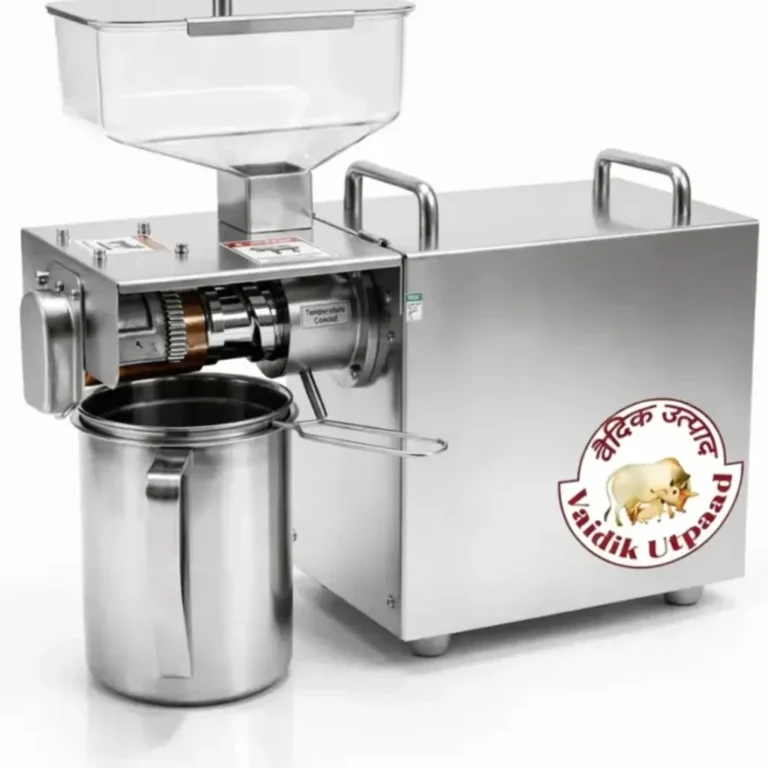
Vaidik Oil Machine
Cold Press Oil Machine: Complete Guide to Oil Extraction Machine, Benefits, Price, Types & Uses
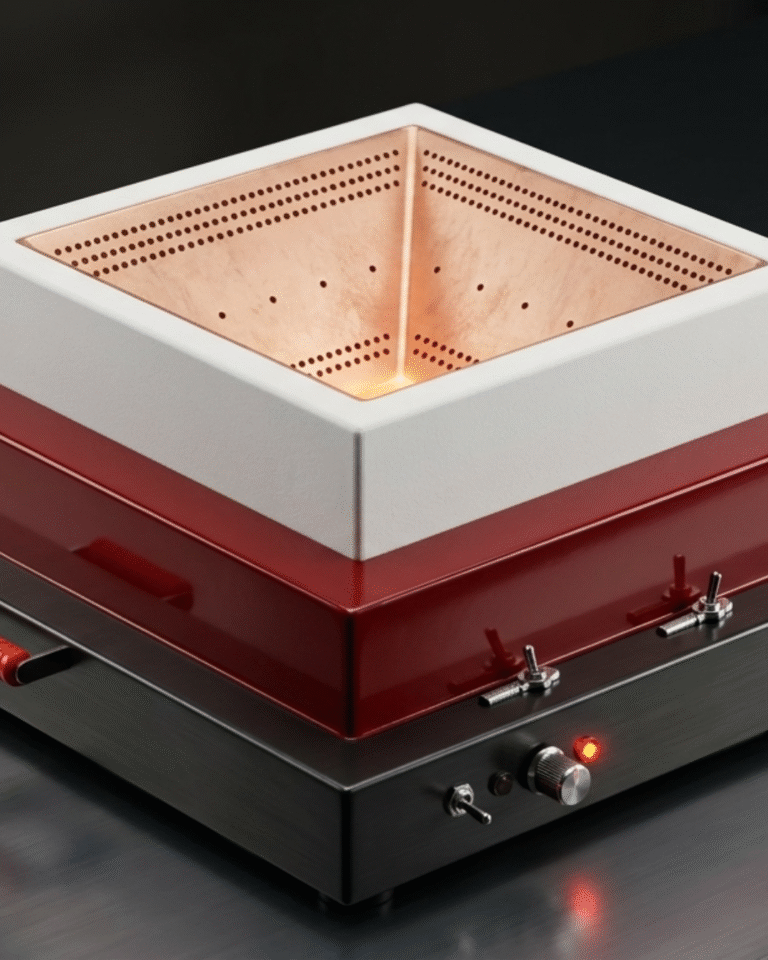
A smokeless hawankund is a special sacred vessel used for performing Hawan or Yajna, where offerings are made to a holy fire with Vedic mantras. This traditional hawankund is smokeless, which reduces smoke and improves air flow — making it perfect for home pooja, temples, weddings, and spiritual gatherings.
It has a special container, square, rectangular, or pyramid-shaped, used for Hawan or Yajna rituals. The sacred fire is lit inside it, and while chanting mantras, people make offerings like ghee, herbs, wood, and Hawan samagri
In Hindu traditions, the hawankund is used to offer prayers to divine energies through fire.
Essential Characteristics
Contemporary designs of smokeless hawankund incorporate superior air flow systems that result in minimized smoke production.
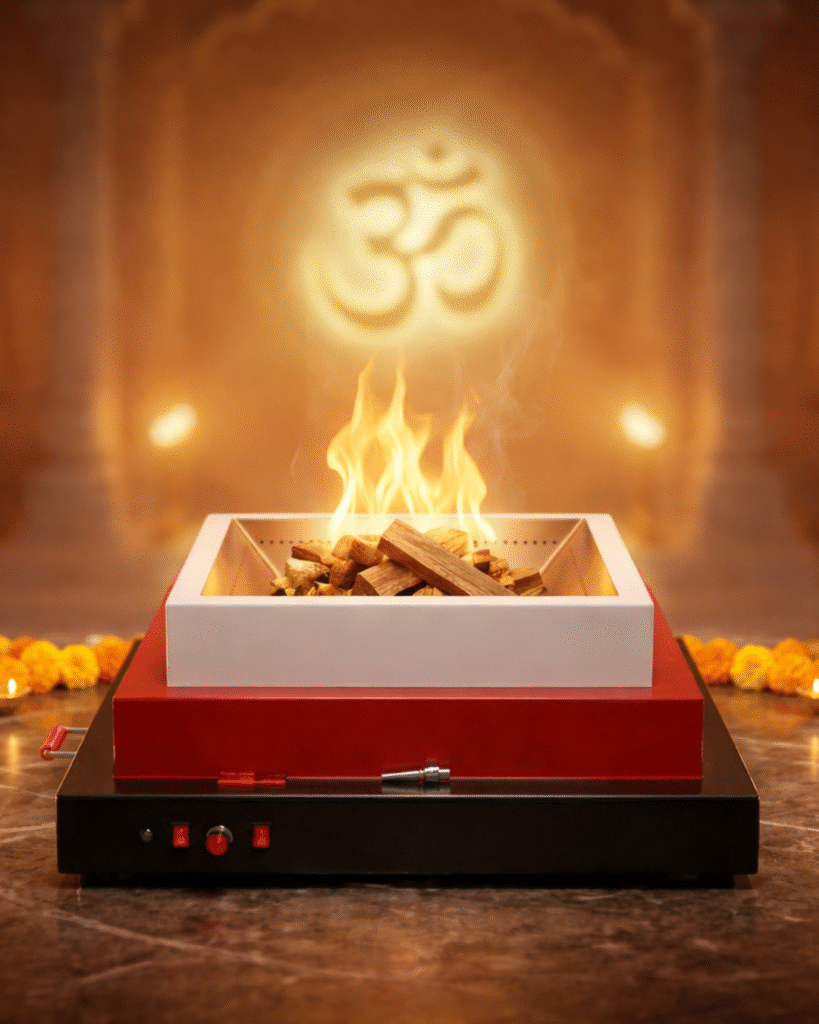
The primary purpose of performing Hawan is to offer prayers, seek blessings, purify the surroundings, and create positive energy.
It is thought by many that the right way of performing Hawan in a good manner can result in a very serene and spiritually enriching experience.
Example
A family moving into a new house could have a Griha Pravesh Hawan performed using it for happiness and prosperity.
What is the Samagri that is offered in a hawankund?
Various holy substances are put into the fire of hawankund in a hawan.
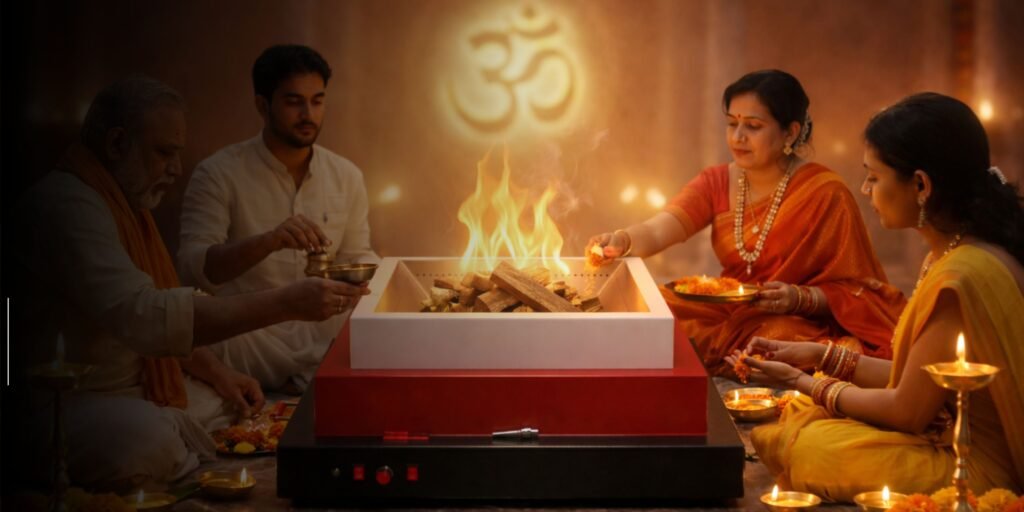
Wood (Samidha)
Other ingredients
Other things for offering:
“These items, when used correctly, add to the spirit and ceremony of the ritual.”
Direct Answer
Research has shown that when particular medicinal herbs are used for burning in a Hawan, they can decrease airborne microbes and enhance the ambiance along with providing aroma.
Potential Scientific Advantages
Purification of the Air
Some herbs produce aromatic chemicals, which can contribute to better indoor air quality.
Stress Reduction
The mantra chanting, along with the fire meditation performed at the hawan, can have a significant stress-relieving effect.
Better Focus:
A number of participants mention that they feel more focused after a Hawan.
Positive atmosphere
Sacred sounds, herbs and fire could create a tranquil atmosphere.
Observations from research studies:
Some studies note
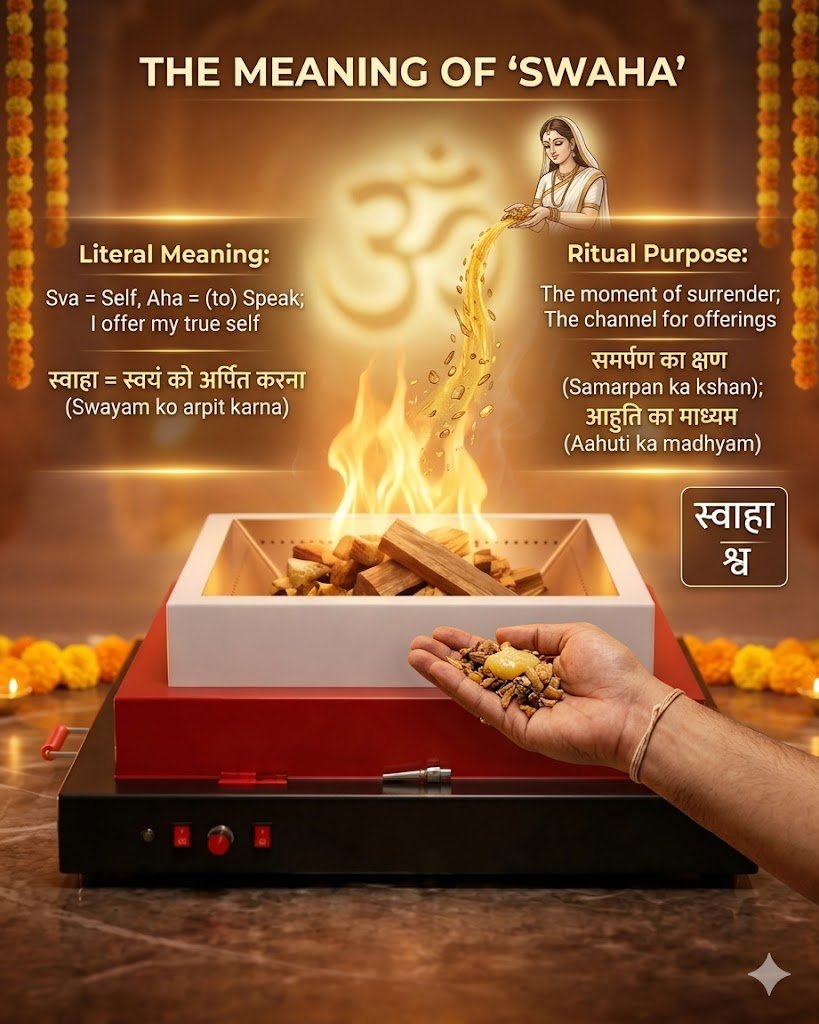
The word ‘Swaha’ is a sacred Sanskrit word used at the time of offering articles to the fire of a hawankund. The word signifies complete surrender, surrender, and dedication of offering to divinity.
This history spans thousands of years, dating back to the Vedic era.
A Smoke less Hawankund is used for many occasions, social and religious in significance.
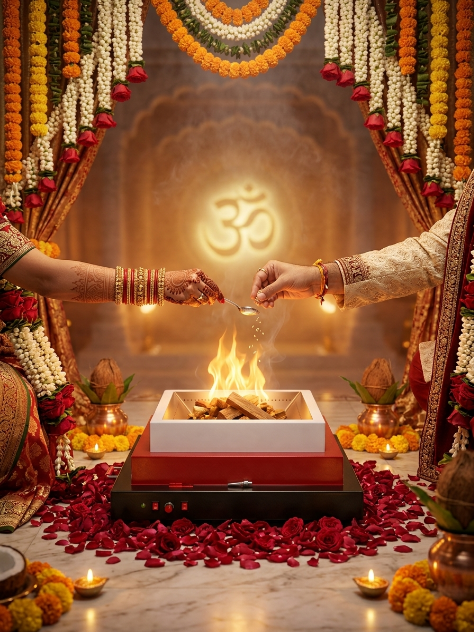
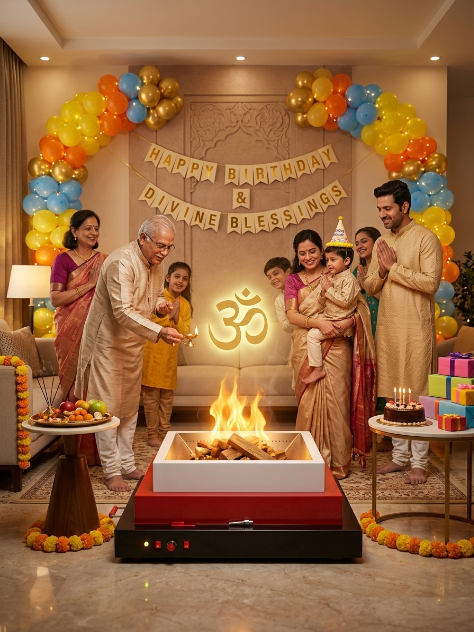
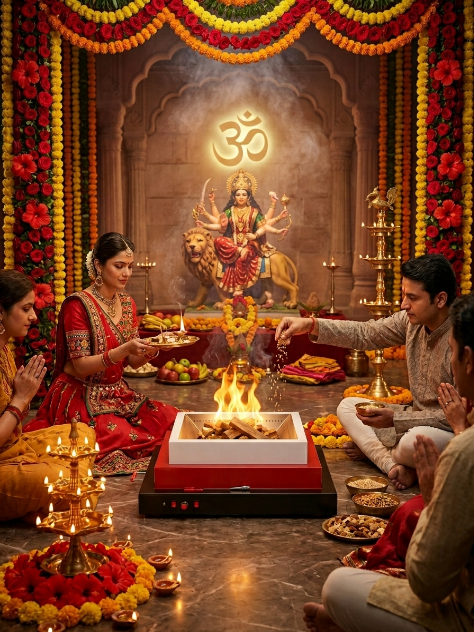
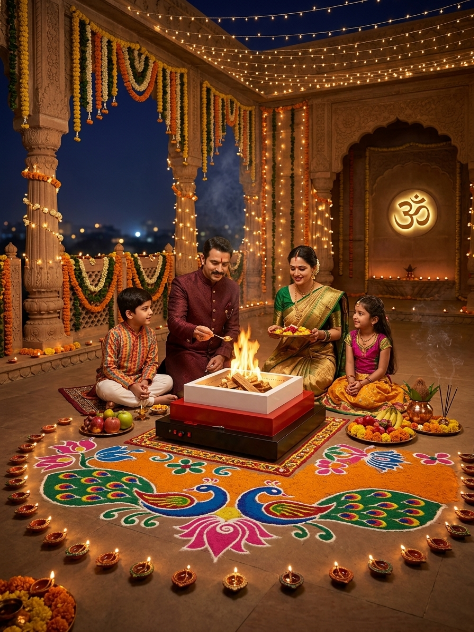
Direct Answer
A wedding smokelesshawankund is typically put in the center of the mandap where the holy fire is lit. Under the supervision of a priest the bride and groom take vows around the fire.
Steps for setting up a wedding Hawan:
Direct answer
The expert’s suggestion
In case Hawan is done on regular basis and within the indoor ambiance, the best option is to select a good quality stainless steel or copper based smokeless hawankund. Ensuring good ventilation, using dried samagri and adding ghee in minimal quantity, the smoke is minimized to a larger extent without comprising on the sacred feel of the hawan.
A smokeless hawankund is a designed Hawan vessel which enhances airflow, while diminishing too much smoke from generating. It is perfect for modern homes and indoor usage.
It is a designed Hawan vessel which enhances airflow, while diminishing too much smoke from generating. It is perfect for modern homes and indoor usage.
Yes, apartment owners often buy a it for their apartments. Since traditional hawankund produce more smoke than smokeless hawankunds.
Stainless steel and copper are common, as they are strong and fire-resistant materials.
Yes, most of the designs nowadays are easy to use and maintain.
Yes, smokeless hawankunds are generally lightweight, making them easy to carry.
A well-maintained and high-quality smokeless hawankund can be used for years to come.
Yes, larger sizes of smokeless hawankunds are suitable for wedding ceremonies and gatherings.
Simple cleaning after each use is sufficient.
The clean combustion in a smokeless hawankund supports it in being environmentally friendly.
Yes, you can use a smokeless hawankund outdoors as well as indoors.
The size depends on the number of people attending and the nature of the Hawan ceremony.
Both are effective. A copper is more traditional whereas steel offers more durability and strength.
You can purchase it from reputable spiritual stores, temple suppliers and specialized online stores.
Cold Press Oil Machine: Complete Guide to Oil Extraction Machine, Benefits, Price, Types & Uses
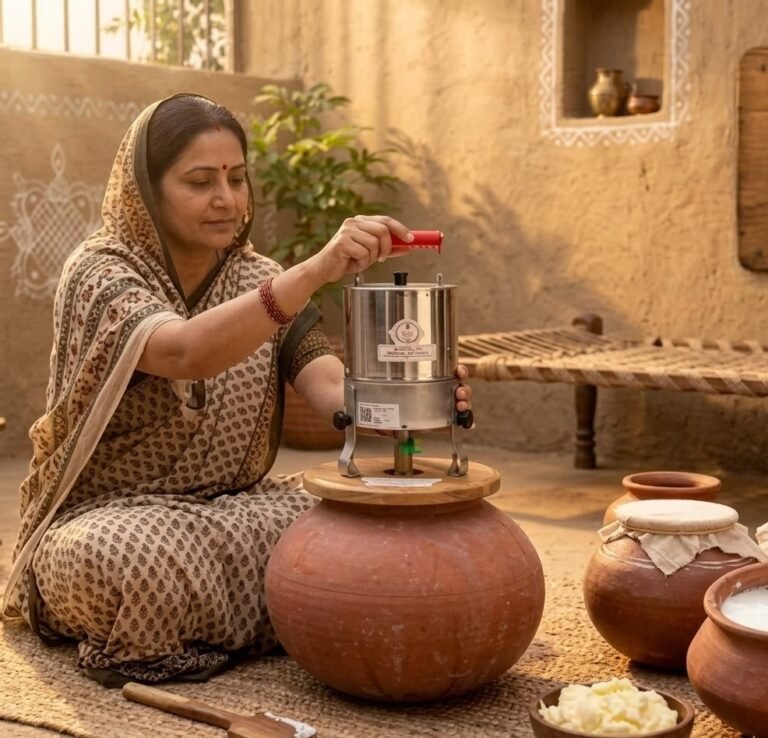
Butter Making Machine: Complete Guide for Beginners, Price, Types & Business Uses A butter machine